

What Happens If the Other Driver Lies About a Michigan Car Accident?
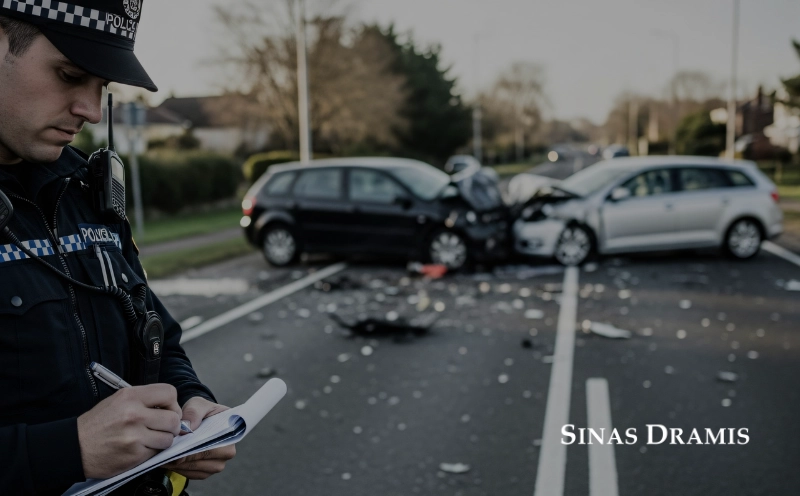
If the other driver lies about a Michigan car accident, you may still be able to recover compensation. Insurance companies and courts typically consider many types of evidence, including police reports, witness statements, photographs, vehicle damage, video footage, electronic data, and medical records. A conflicting story does not automatically determine fault.
After a car accident, most people assume the facts will speak for themselves. If the other driver caused the crash, the insurance company will simply review the evidence and accept responsibility.
Unfortunately, that is not always what happens.
In some Michigan car accident cases, the other driver may provide a different version of events than the one reported by the injured person. They may deny causing the crash, change their story later, minimize their actions, or claim that the other driver was responsible.
When this happens, many people begin to worry:
- What if the insurance company believes the other driver?
- What if there were no witnesses?
- What if the police officer did not see the crash?
- Can I still recover compensation?
The good news is that a driver’s statement is only one piece of evidence. Insurance companies, attorneys, investigators, and courts often evaluate many different forms of evidence when determining what actually happened.
Why Drivers Sometimes Change Their Story
After an accident, people may give inaccurate accounts for many reasons.
Sometimes a driver may:
- Want to avoid blame
- Fear an insurance increase
- Worry about traffic citations
- Misremember events
- Misunderstand what happened
- Attempt to protect themselves from liability
Regardless of the reason, conflicting versions of a crash are common.
This is especially true in situations involving:
- Left-turn accidents
- Rear-end crashes with multiple vehicles
- Lane-change collisions
- Intersection accidents
- Parking lot crashes
- Merging accidents
Because of this, insurance companies rarely rely on a single statement alone.
The Other Driver’s Statement Is Not the Final Word
One of the biggest misconceptions after a crash is that the driver who speaks first wins the dispute.
That is not how accident investigations typically work.
Insurance adjusters often review:
- Driver statements
- Witness statements
- Police reports
- Scene photographs
- Vehicle damage
- Surveillance footage
- Dash camera footage
- Medical records
- Physical evidence
A driver’s version of events may be considered, but it is generally only one piece of the overall investigation.
What Evidence Can Help Prove What Really Happened?
When fault is disputed, evidence becomes extremely important.
Some of the strongest evidence may include:
Photographs
Photos taken immediately after the crash may capture:
- Vehicle positions
- Traffic signals
- Skid marks
- Road conditions
- Vehicle damage
- Debris patterns
Even a few photographs can sometimes contradict an inaccurate version of events.
Witnesses
Independent witnesses often provide some of the most valuable evidence in a disputed crash.
Unlike the drivers involved, witnesses typically have no financial interest in the outcome.
Witnesses may help clarify:
- Which vehicle entered an intersection first
- Whether a driver ran a red light
- Whether a driver was speeding
- Whether a turn was unsafe
- Whether distracted driving may have occurred
Video Footage
Video evidence may come from:
- Dash cameras
- Traffic cameras
- Security cameras
- Business surveillance systems
- Residential doorbell cameras
Video often provides the clearest picture of how a crash occurred.
Related reading: What Evidence Matters Most in a Michigan Car Accident Claim?
Why the Police Report Still Matters
Police officers do not always witness the accident itself.
However, the police report may still contain important information, including:
- Driver statements
- Witness information
- Officer observations
- Vehicle locations
- Road conditions
- Citations issued
- Diagrams of the scene
While police reports are not always conclusive, they frequently help insurance companies evaluate disputed claims.
If a driver changes their story later, the original statements documented in the report may become important.
What If There Were No Witnesses?
Many crashes occur with no independent witnesses.
That does not automatically mean the case cannot be proven.
In fact, many successful claims rely on:
- Vehicle damage patterns
- Crash reconstruction
- Photographs
- Video evidence
- Electronic vehicle data
- Medical records
- Consistent statements
Physical evidence often tells a story even when no witnesses are available.
For example:
- A rear-end impact may support one version of events.
- Side damage may support another.
- Debris locations may show where the collision occurred.
What If the Other Driver Changes Their Story Later?
This happens more often than people realize.
A driver may initially apologize or admit fault at the scene and later deny responsibility when speaking with their insurance company.
Insurance investigators may evaluate:
- Initial statements
- Recorded statements
- Police reports
- Witness testimony
- Physical evidence
Changing stories can sometimes affect credibility, particularly when other evidence contradicts the revised version.
However, it is important to remember that fault determinations depend on the overall evidence, not just one inconsistency.
Comparative Fault Can Complicate Disputes
Not every dispute involves a completely false story.
Sometimes the argument is that both drivers share responsibility.
Michigan follows comparative fault principles.
An insurance company might argue:
- One driver caused the crash, but the other contributed.
- One driver was speeding.
- One driver failed to react appropriately.
- One driver made an unsafe maneuver.
Because fault allocation can affect compensation, these disputes become important.
Related reading: What Happens If You’re Partly At Fault in a Michigan Car Accident?
Why Consistency Matters
Insurance companies pay attention to consistency.
They may compare:
- What was said at the scene
- What was reported to police
- What appears in medical records
- What was said during insurance interviews
- What later appears in legal claims
This does not mean every minor difference is damaging.
However, large inconsistencies can create opportunities for insurance companies to challenge credibility.
The best approach is simple:
- Tell the truth
- Be accurate
- Avoid guessing
- Correct mistakes promptly if something was reported incorrectly
What Role Does Medical Evidence Play?
Many people do not realize that medical documentation may help support accident-related claims.
Consistent medical records can help demonstrate:
- When symptoms began
- What body parts were injured
- How the crash affected daily life
- Whether treatment has been necessary
If the other driver claims the crash was minor or could not have caused injury, medical evidence may become especially important.
Related reading: Can You Recover Compensation With a Pre-Existing Injury in Michigan?
Social Media Can Affect Credibility
Insurance companies may review public social media activity when investigating claims.
Posts, photos, or videos taken out of context may be used to challenge:
- Injury severity
- Daily limitations
- Reported symptoms
- Credibility
This does not mean injured people must stop living their lives.
However, it is wise to be cautious about what is publicly shared while a claim remains active.
What If the Insurance Company Believes the Other Driver?
Receiving an unfavorable initial decision does not necessarily end the matter.
Insurance investigations continue to evolve as new evidence becomes available.
Additional evidence may include:
- Witness statements
- Video footage
- Expert review
- Accident reconstruction
- Medical records
- Additional photographs
Many fault disputes eventually come down to who has the stronger evidence rather than who made the first statement.
Why Evidence Preservation Matters
When a driver disputes fault, preserving evidence early becomes especially important.
Helpful steps may include:
- Taking photographs
- Saving dashcam footage
- Identifying witnesses
- Obtaining the police report
- Preserving text messages or communications
- Maintaining copies of insurance correspondence
The stronger the evidence, the harder it becomes for inaccurate statements to control the outcome.
Related reading: What Happens After a Michigan Car Accident Lawsuit Is Filed?
Common Mistakes to Avoid
After a disputed accident, avoid:
- Arguing with the other driver
- Guessing about facts you do not know
- Exaggerating injuries
- Deleting evidence
- Waiting too long to seek treatment
- Assuming the police report alone settles the issue
The focus should remain on gathering accurate information and preserving evidence.
Frequently Asked Questions
Q. What if the other driver lies to the insurance company?
A. Insurance companies typically evaluate all available evidence, not just one driver’s statement. A false or inaccurate statement does not automatically determine fault.
Q. Can I win my case without witnesses?
A. Yes. Vehicle damage, photographs, video footage, police reports, and other evidence may help prove how the accident occurred.
Q. Does the police report decide fault?
A. Not necessarily. The police report is important, but insurance companies and courts often evaluate additional evidence.
Q. What should I do if I think the other driver is lying?
A. Preserve evidence, obtain the police report, identify witnesses, and document everything related to the accident and your injuries.
Speak With a Michigan Car Accident Lawyer
Fault disputes are common after Michigan car accidents, especially when serious injuries or significant insurance exposure are involved. A conflicting story from the other driver does not automatically defeat a claim. Evidence, documentation, witness testimony, and investigation often play a much larger role in determining what actually happened.
If another driver is denying responsibility or providing an inaccurate version of events, a legal review can help identify what evidence may support your claim and what steps can be taken to protect your rights.
Talk With a Michigan Car Accident Attorney Near You
If you were injured in a Michigan car accident and have questions about your claim, our attorneys are available to help. Learn more about our local car accident law offices:
- Lansing Car Accident Lawyer
- Grand Rapids Car Accident Lawyer
- Ann Arbor Car Accident Lawyer
- Kalamazoo Car Accident Lawyer
- Metro Detroit Car Accident Lawyer
No matter where your accident happened, Sinas Dramis Law Firm is available to help you understand your legal options. Start with a free consultation.