

What Is “Serious Impairment of Body Function” Under Michigan Law?
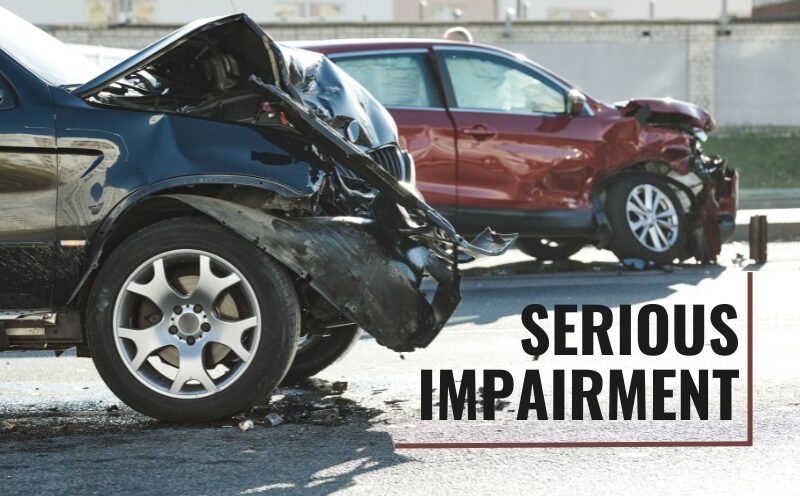
If you were injured in a motor vehicle accident in Michigan, your ability to recover pain and suffering damages depends on meeting a legal threshold known as “serious impairment of body function.”
This legal standard applies to accident victims in both Lansing and Grand Rapids.
Understanding this threshold is critical before pursuing a personal injury claim.
What Does “Serious Impairment” Mean?
Under Michigan law, a serious impairment of body function is:
- An objectively manifested injury
- That affects an important body function
- That affects the person’s general ability to lead their normal life
All three elements must be proven.
Breaking It Down
1. Objectively Manifested Injury
There must be medical evidence of injury.
Examples:
- Herniated disc confirmed by MRI
- Fracture shown on X-ray
- Traumatic brain injury diagnosed by physician
Subjective pain complaints alone are usually not enough.
2. Important Body Function
The injury must involve something significant, such as:
- Mobility
- Cognitive function
- Vision
- Use of limbs
- Ability to work
3. Affects Normal Life
Courts examine whether your injuries changed your lifestyle.
This may include:
- Inability to return to work
- Loss of recreational activities
- Long-term limitations
- Permanent restrictions
Temporary inconvenience is typically not sufficient.
Why Insurance Companies Fight This So Hard
Meeting the serious impairment threshold opens the door to non-economic damages, including:
- Pain and suffering
- Emotional distress
- Loss of enjoyment of life
These damages can be substantial. And as a result, insurers frequently argue:
- The injury is minor
- The condition was pre-existing
- The impairment is temporary
- Your life was not meaningfully affected
Thorough medical documentation and strategic presentation of evidence are critical.
Common Injuries That May Meet the Threshold
While every case is unique, injuries more likely to qualify include:
- Spinal injuries
- Surgical fractures
- Traumatic brain injuries
- Permanent nerve damage
- Significant disfigurement
Minor soft tissue injuries often face greater scrutiny.
How a Personal Injury Lawyer Can Help
A personal injury lawyer in Lansing or personal injury lawyer in Grand Rapids can:
- Evaluate medical records
- Coordinate physician documentation
- Obtain expert testimony if needed
- Present evidence demonstrating life impact
- Counter insurance defense arguments
If you were injured and are unsure whether your condition meets the serious impairment threshold, reviewing your situation with an experienced attorney can clarify your options.
For more information about how we handle these cases, visit our: