

Semi-Truck Accidents in Michigan: Why These Cases Are Different
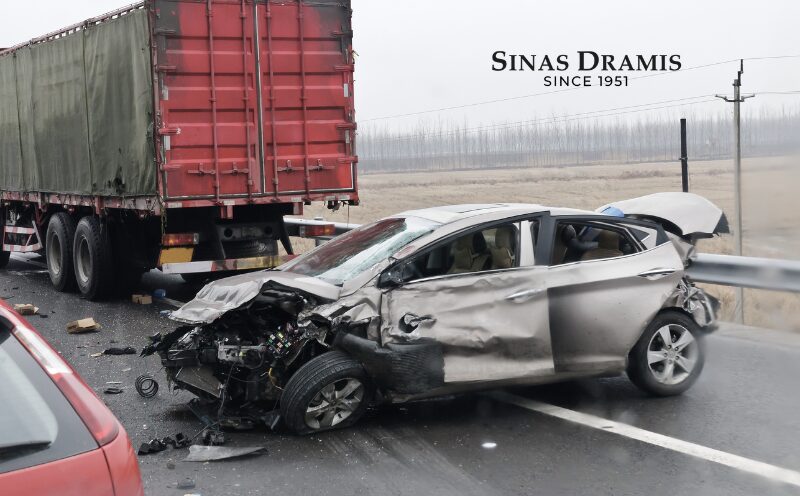
Semi‑truck accidents in Michigan are different because they involve federal trucking regulations, multiple potential defendants, significantly higher insurance limits, and complex liability analysis. While Michigan no‑fault insurance still applies, serious truck injuries often allow victims to pursue additional compensation through third‑party claims.
Semi‑truck accidents are among the most severe and complex motor vehicle crashes on Michigan roadways. When a collision involves a commercial truck, the injuries are often catastrophic, and the legal process that follows is far more complicated than a typical car accident claim.
Many injured victims assume a truck accident will be handled the same way as any other crash. In reality, these cases involve additional laws, multiple potentially liable parties, aggressive insurance defense, and evidence that can disappear quickly if not preserved.
Understanding why semi‑truck accident cases are different in Michigan is essential for anyone injured in one of these crashes.
Why Semi‑Truck Accidents Cause More Severe Injuries
Commercial trucks can weigh up to 80,000 pounds when fully loaded. When that amount of force collides with a passenger vehicle, the results are often devastating.
Common injuries in Michigan semi‑truck crashes include:
- Traumatic brain injuries
- Spinal cord injuries and paralysis
- Multiple fractures
- Internal organ damage
- Severe orthopedic injuries
- Fatal injuries
These injuries frequently require extensive medical care, long‑term rehabilitation, and permanent lifestyle adjustments – losses that often exceed the coverage provided by basic no‑fault benefits.
Truck Accidents Are Governed by More Than Michigan Law
Unlike standard car accidents, semi‑truck crashes are governed by both Michigan law and federal regulations.
Commercial trucks and drivers are subject to rules issued by the Federal Motor Carrier Safety Administration (FMCSA), including regulations covering:
- Maximum driving hours (hours‑of‑service rules)
- Mandatory rest periods
- Driver qualification standards
- Drug and alcohol testing
- Vehicle inspection and maintenance
- Cargo securement
Violations of these rules are common contributing factors in serious truck crashes and often play a critical role in determining liability.
Why Semi‑Truck Accident Claims Are More Complex
Truck accident claims differ from ordinary car crashes for several reasons:
Complexity Factors
- Multiple responsible parties may be involved
- Federal safety regulations must be analyzed
- High‑limit insurance policies attract aggressive defense
- Electronic data must be preserved quickly
- Corporate defendants have legal teams ready immediately
These factors make truck accident cases significantly more complex than standard auto injury claims.
If you are looking for a broader explanation of these differences beyond semi-truck cases alone, including how commercial vehicle crashes are evaluated more generally, review our guide on how commercial vehicle crashes differ from other motor vehicle crashes in Michigan.
Who May Be Liable in a Michigan Semi‑Truck Accident?
In many truck accident cases, liability is not limited to the truck driver. Depending on the facts, responsible parties may include:
- The truck driver
- The trucking company (employer)
- Cargo loading companies
- Maintenance or repair contractors
- Truck or parts manufacturers
Understanding how responsibility is divided is essential. Michigan law allows injured victims to pursue claims against every party whose negligence contributed to the crash.
For a focused discussion of this issue, see: Who Can Be Held Liable in a Michigan Semi‑Truck Accident?
How Michigan No‑Fault Insurance Applies to Truck Accidents
Michigan’s no‑fault insurance system still applies when a crash involves a semi‑truck. Injured victims generally receive no‑fault benefits through their own insurance policy, including:
- Medical expense coverage
- Wage loss benefits
- Replacement services
However, no‑fault benefits do not cover pain and suffering. When truck accident injuries are serious, additional compensation may be available.
Serious Injuries and Truck Accident Claims
Semi‑truck accidents frequently cause injuries that significantly disrupt daily life. When injuries rise to the level of a serious impairment of body function, injured victims may pursue third‑party claims against negligent parties.
Insurance companies often dispute injury severity even in obvious truck crash cases, making medical documentation and early evaluation critical.
Trucking Companies and Employer Responsibility
In many cases, trucking companies are legally responsible for their drivers’ actions under principles of employer liability. Companies may also be directly liable when they:
- Negligently hire or train drivers
- Encourage unsafe driving schedules
- Fail to enforce safety protocols
- Ignore hours‑of‑service violations
- Allow unsafe vehicles on the road
Company records and safety audits often play a key role in these claims.
Electronic Evidence in Truck Accident Cases
Truck accident cases often rely on technical evidence that does not exist in ordinary car crashes, including:
- Electronic logging device (ELD) data
- Engine control module (“black box”) data
- Maintenance and inspection records
- GPS and telematics data
This information can be lost or overwritten if not preserved rapidly – sometimes within days.
Why Truck Accident Claims Are Aggressively Defended
Truck accident claims involve high potential damages, which means insurers and corporate defendants move quickly to protect their interests. Common defense strategies include:
- Rapid investigation of the scene
- Evidence control and selective disclosure
- Efforts to shift blame to other drivers
- Disputing injury causation or severity
Many of these strategies mirror broader insurance defense tactics.
Construction Zones and Semi‑Truck Accidents
Construction zones pose elevated risks for large trucks due to narrowed lanes, reduced visibility, and abrupt traffic changes.
Truck‑related work zone crashes often involve overlapping liability issues.
What To Do After a Semi‑Truck Accident in Michigan
If you are injured in a semi‑truck crash:
- Seek medical care immediately
- Contact police and ensure a report is filed
- Preserve photographs and video
- Identify witnesses
- Avoid giving recorded statements prematurely
- Preserve all insurance and trucking communications
Early action often determines the strength of a truck accident claim.
Frequently Asked Questions
Q. Are truck accident cases harder than car accident cases?
A. Yes. Truck cases involve federal regulations, multiple defendants, and more complex evidence.
Q. Can I sue the trucking company directly?
A. In many cases, yes – especially when company negligence contributed to the crash.
Q. Do no fault benefits still apply in truck accidents?
A. Yes, but they do not prevent additional claims when injuries are serious.
Speak With a Michigan Semi‑Truck Accident Lawyer
Semi‑truck accident claims are not handled like ordinary car accident cases. They require knowledge of federal trucking rules, complex liability analysis, and early evidence preservation.
If you were injured in a Michigan semi‑truck accident, our free legal review can help determine who may be responsible and whether compensation beyond no‑fault benefits may be available.