

Lansing Car Accidents: What Happens If You’re Partially At Fault?
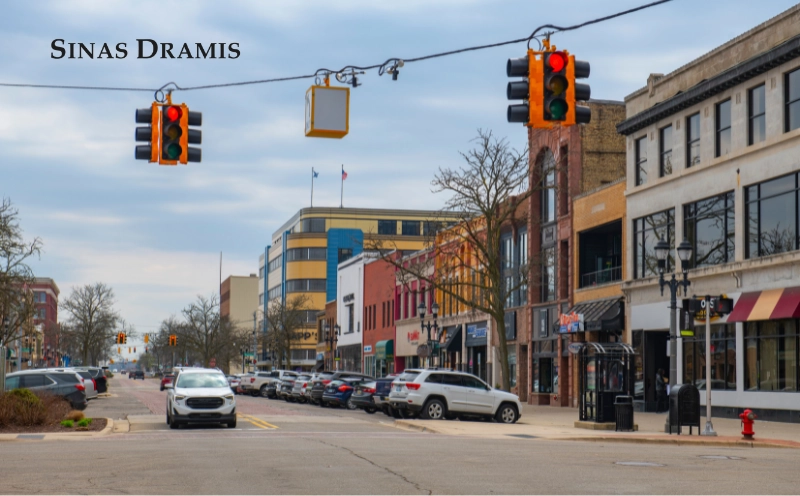
If you are partly at fault in a Lansing car accident, you may still be able to recover compensation under Michigan law. However, your recovery can be reduced by your percentage of fault, and if you are found to be more than 50% at fault, certain damages – including pain and suffering in many cases – may no longer be available.
After a car accident in Lansing, one of the first things many injured drivers worry about is whether something they did – even something small – could hurt their case. Maybe they were driving a little too fast. Maybe they were distracted for a moment. Maybe they are worried the insurance company will say they should have reacted sooner.
That concern is understandable, especially in Lansing, where crashes often happen on busy roads, complicated intersections, and high‑traffic corridors where multiple factors can contribute to an accident. In many cases, the issue is not whether one driver was completely right and the other completely wrong. The real issue is whether the injured person may be found partly at fault – and how that affects the claim.
The good news is that being partly at fault in a Lansing car accident does not automatically mean you lose the right to recover compensation. But it can affect the value of the claim, the types of damages available, and how insurance companies approach settlement discussions.
Understanding how Michigan’s comparative fault rules apply in real Lansing accidents can help injured people make better decisions early and avoid common mistakes that reduce claim value.
Why Partial Fault Is a Common Issue in Lansing Accidents
Lansing drivers regularly deal with conditions that make fault disputes more likely, including:
- Congested commuter traffic
- Fast‑changing traffic lights and intersections
- On‑ramps and merge points on I‑496 and US‑127
- Heavy university‑area traffic near Michigan State University
- Construction and lane shifts on major corridors
- Stop‑and‑go driving during peak hours
In these environments, insurance companies often argue that more than one driver contributed to the crash. Even where one driver appears mostly responsible, an insurer may still try to claim the injured person shares some of the blame.
This matters because fault percentages can directly affect compensation.
What It Means to Be “Partially At Fault”
Partial fault means that the injured person may have done something that contributed to the accident, even if another driver caused most of the harm.
Examples might include:
- Driving faster than conditions allowed
- Failing to notice a turning vehicle quickly enough
- Following too closely in heavy traffic
- Making a lane change without enough space
- Being momentarily distracted before impact
In Michigan, fault does not have to fall entirely on one person. Responsibility can be divided between drivers based on the facts of the accident.
For the full Michigan‑level explanation of how this works legally, see: What Happens If You’re Partly At Fault in a Michigan Car Accident?
How Partial Fault Can Affect a Lansing Injury Claim
Partial fault typically affects two major things:
1. The value of the claim
If the injured person is assigned a percentage of fault, compensation may be reduced by that percentage.
2. Whether certain damages are available
If the injured person is found to be more than 50% at fault, recovery for pain and suffering may be barred in many cases.
That is why fault disputes are so important. Insurance companies do not need to prove you caused the crash entirely – they often only need enough evidence to push the percentage higher.
Common Lansing Accident Situations Where Fault Is Disputed
Comparative fault issues show up frequently in real‑world Lansing crash scenarios.
Rear‑End Accidents in Congested Traffic
Rear‑end crashes are common on busy Lansing corridors, but insurers may still argue that the lead driver:
- stopped too suddenly
- failed to signal
- had brake light issues
Even when the following driver appears primarily responsible, insurers may still raise partial fault arguments.
Intersection Crashes
Busy Lansing intersections often generate disputes about:
- who had the right of way
- whether a light had changed
- whether a driver turned too early or too late
- whether someone could have avoided the impact
These cases frequently become “shared fault” cases if the evidence is incomplete.
Distracted Driving Collisions
In distracted driving crashes, insurers may argue that both drivers were inattentive, even if one driver was primarily responsible.
Related reading: Distracted Driving Accidents in Lansing: Who Is Liable Under Michigan Law?
Multi‑Vehicle and Merge Accidents
Lansing highway and ramp traffic can create situations where:
- several drivers are involved
- lane changes are disputed
- one collision triggers another
These cases often involve overlapping fault arguments and conflicting insurer narratives.
Why Insurance Companies Push Partial Fault So Aggressively
Insurance companies understand that even a modest shift in fault can reduce claim value.
For example, if an insurer convinces a jury or claim adjuster that an injured person was:
- 20% at fault → compensation may be reduced by 20%
- 40% at fault → compensation may be reduced significantly more
- more than 50% at fault → pain and suffering claims may be barred in many cases
That is why insurers often look for any fact they can use to argue that the injured person:
- reacted too slowly
- should have seen the hazard
- contributed to the crash
- failed to avoid impact
For more on how insurers approach these arguments, see: Common Insurance Tactics Used to Reduce Michigan Injury Claims
What Evidence Matters Most in Lansing Partial Fault Cases
Because comparative fault arguments are evidence‑driven, early documentation matters.
The most useful evidence often includes:
- Police reports
- Scene photographs
- Dashcam footage
- Traffic camera or surveillance video
- Witness statements
- Vehicle damage patterns
- Road markings and traffic signal timing
- Accident reconstruction where needed
In Lansing, where intersection crashes and lane disputes are common, video evidence can be especially valuable. When there is no clear documentation, insurers are far more likely to argue that the injured person bears some responsibility.
Why Recorded Statements Can Hurt You Here
Partial fault cases are one of the clearest examples of why recorded statements matter.
Insurance adjusters may ask:
- “Could you have stopped sooner?”
- “Did you see the other driver in time?”
- “Were you distracted at all?”
- “Do you think you did anything wrong?”
These questions may sound harmless, but answers given early – especially before the facts are clear – can later be used to assign more fault to the injured person than is fair.
For more on this issue, see: Should You Give a Recorded Statement After a Michigan Car Accident?
Why Lansing Drivers Should Not Assume Fault Is “Minor”
A lot of injured people say some version of this after an accident:
“I may have been a little at fault, but not much.”
The problem is that insurance companies rarely treat partial fault as “just a little” if they think it helps them reduce exposure.
A small admission can become:
- a lower settlement offer
- a reason to dispute damages
- leverage in negotiations
- a defense theme if the case proceeds
That does not mean injured people should deny reality. It means they should understand that fault assessments are often strategic, not neutral.
What to Do If You Think the Insurance Company Is Blaming You Unfairly
If the other side is trying to place more fault on you than seems fair, early action matters.
Helpful steps include:
- Preserve photos, video, and witness information
- Review the police report for inaccuracies
- Seek medical care promptly so the timeline is clear
- Avoid speculation in adjuster calls
- Keep your account consistent and factual
- Get legal guidance before accepting a low offer based on disputed fault
Partial fault arguments are hardest to correct after the evidence is gone or after a recorded statement has locked in damaging wording.
Why Comparative Fault Often Affects Settlement Value Before Anything Is Official
Many people assume comparative fault only matters if a judge or jury formally decides the issue. In reality, it affects claims much earlier.
Insurance companies often reduce settlement offers based on their own internal fault assessment long before a lawsuit is filed.
That means:
- even a debatable fault argument may reduce early offers
- settlement value can drop before legal fault is ever formally decided
- weak evidence may lead insurers to assume they can successfully shift blame
In practical terms, fault disputes shape the case from the beginning.
How Partial Fault Fits Into the Bigger Claim
Comparative fault does not exist in isolation. It often overlaps with:
- injury severity
- whether the case meets Michigan’s serious injury threshold
- how well the evidence supports the claim
- whether the injured person delayed treatment
- what was said to insurers early on
That is why partial fault is often one piece of a much larger claim strategy.
Frequently Asked Questions
Q. Can I still recover compensation if I was partly at fault for a Lansing car accident?
A. Yes. In many cases, Michigan law still allows recovery even if you were partly at fault, though the amount may be reduced.
Q. What happens if I am more than 50% at fault?
A. If you are more than 50% at fault, pain and suffering damages may not be available in many Michigan car accident cases.
Q. Do insurance companies decide fault on their own?
A. Insurance companies often make their own fault assessments during claims, but those assessments can be disputed.
Q. Why is fault so important this early in a claim?
A. Because insurers use fault percentages to reduce settlement value long before a case reaches court.
Speak With a Lansing Car Accident Lawyer About Partial Fault
Being partly at fault does not necessarily end a Michigan car accident claim. But it can significantly affect compensation, settlement value, and the way insurers handle the case.
If you were injured in a Lansing car accident and fault is being disputed, our free consultation can help determine whether blame is being assigned fairly, what evidence matters most, and what options may still be available under Michigan law.