

Distracted Driving Accidents in Lansing: Who Is Liable Under Michigan Law?
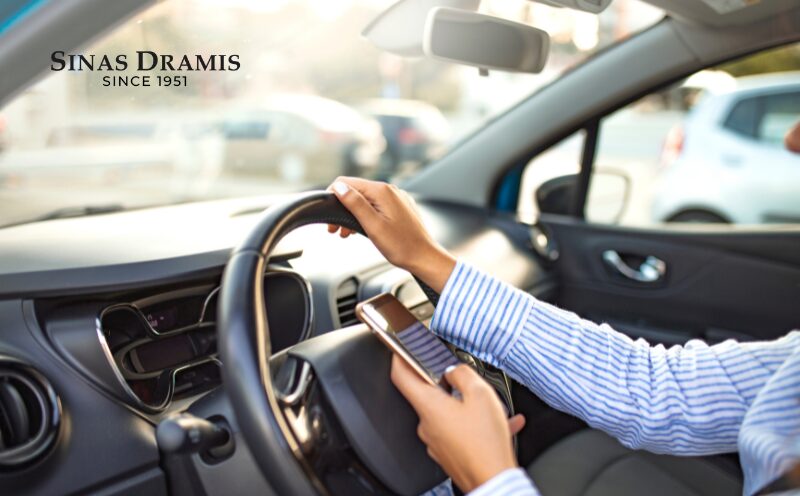
Distracted driving is one of the leading causes of car accidents in Lansing and throughout Michigan. On busy roads like Grand River Avenue, I‑496, and near Michigan State University, even a brief moment of inattention can result in devastating consequences. In our experience representing injured motorists, many serious crashes occur not because a driver was speeding or impaired, but because they took their attention off the road for just a few seconds.
When distraction causes a crash, determining who is legally responsible is not always straightforward. Michigan’s no‑fault insurance system adds complexity that often leaves injured victims confused about their rights, especially when injuries are severe or long‑lasting.
Understanding when distracted drivers can be held liable – and when Michigan law allows compensation beyond no‑fault benefits – is critical for protecting your recovery.
Short answer:
In Michigan, a distracted driver may be held legally responsible for an accident if their distraction caused the crash and the injured person suffered a serious impairment of body function. While Michigan’s no‑fault insurance system applies first, qualifying injuries allow accident victims to pursue additional compensation through a third‑party claim.
What Counts as Distracted Driving in Michigan?
Distracted driving includes any activity that diverts a driver’s attention away from safely operating a vehicle. While texting is often the most discussed example, many other forms of distraction commonly contribute to crashes in Lansing.
Common examples of driver distraction include:
- Texting or reading messages
- Using GPS or navigation apps
- Adjusting in‑car technology or radio controls
- Eating or drinking while driving
- Handling children or pets
- Looking at notifications or apps
Michigan law prohibits handheld cellphone use while driving. However, even hands‑free phone use can support liability if it contributes to unsafe driving behavior, delayed reactions, or failure to obey traffic laws.
Legality does not eliminate responsibility – distraction that causes a crash can still result in liability.
How Liability Works After a Distracted Driving Accident
Liability in Michigan distracted driving cases turns on two key factors:
- Whether the other driver’s distraction caused the accident
- Whether the injuries meet Michigan’s serious injury threshold
Michigan’s no‑fault insurance framework plays a central role in how these cases develop.
Michigan No‑Fault Insurance: What It Covers
Michigan is a no‑fault insurance state, meaning injured drivers typically receive benefits from their own auto insurance policy regardless of fault. These benefits may include:
- Medical expenses
- Wage loss benefits
- Replacement services (help with household tasks)
These benefits are essential after a crash, but they do not compensate victims for pain and suffering, emotional distress, or long‑term loss of quality of life.
For those damages to be available, Michigan law requires that the injured person meet a specific legal threshold.
When a Distracted Driver Can Be Held Legally Responsible
Michigan law allows injured victims to pursue compensation beyond no‑fault benefits when the distracted driver caused the crash and the injured person suffered a serious impairment of body function.
In those cases, the injured person may bring a third‑party personal injury claim against the distracted driver.
For a deeper explanation of how these lawsuits work, see: Can You Sue a Distracted Driver in Michigan? What No‑Fault Insurance Really Allows
What Is a “Serious Impairment of Body Function”?
Michigan courts evaluate serious injury claims by considering whether:
- An important body function was affected
- The injury is objectively supported by medical evidence
- The injury meaningfully impacts the person’s ability to live a normal life
This analysis is fact‑specific and often contested by insurance companies, even in cases involving substantial injuries.
Common Injuries in Distracted Driving Accidents
Distracted driving crashes frequently involve high‑impact collisions that result in serious injuries, including:
- Traumatic brain injuries or concussions
- Neck and spinal injuries
- Herniated or bulging discs
- Fractures requiring surgery
- Chronic pain or permanent mobility limitations
Insurance companies may attempt to downplay these injuries, especially when symptoms worsen over time rather than immediately.
How Distracted Driving Is Proven
Insurance companies rarely concede distraction without evidence. Proving distraction often requires careful investigation and documentation.
Common forms of evidence include:
- Cell phone usage records or timestamps
- Police reports noting distracted behavior
- Witness statements
- Dashcam or surveillance footage
- Accident reconstruction analysis
Because digital evidence can be lost or overwritten, early preservation is critical.
A Common and Costly Misconception
Many accident victims believe:
“Because Michigan is a no‑fault state, I can’t sue the other driver.”
This belief frequently prevents injured people from seeking legal guidance when they should. While no‑fault benefits apply in every crash, Michigan law still allows lawsuits when serious injuries occur.
Failing to understand this distinction can result in lost compensation.
What to Do After a Distracted Driving Accident in Lansing
If distraction may have contributed to your crash, taking the right steps early can significantly affect your case:
- Ensure police document suspected distraction
- Identify and speak with witnesses
- Preserve photos, dashcam, or video footage
- Seek medical care promptly
- Avoid giving recorded statements to insurers
Delay often benefits insurance companies, not injured victims.
Why Insurance Companies Fight Distracted Driving Claims
Even when distraction seems obvious, insurers often argue that:
- The driver was not distracted
- The distraction did not cause the crash
- The injuries are minor or pre‑existing
- No‑fault benefits are sufficient
Understanding these defenses helps injured victims protect their rights.
Frequently Asked Questions
Can you sue a distracted driver in Michigan?
Yes. If the distracted driver caused the accident and the injured person suffered a serious impairment of body function, Michigan law allows a lawsuit.
Is texting illegal while driving in Michigan?
Yes. Michigan prohibits handheld cellphone use while driving.
What if the driver was using a hands‑free phone?
Hands‑free use may still support liability if it contributed to unsafe driving behavior.
Speak With a Lansing Distracted Driving Accident Lawyer
Distracted driving accidents often raise complex questions about liability, insurance coverage, and injury severity. If you were injured by a distracted driver in Lansing, our free legal review can help determine whether compensation beyond no‑fault benefits may be available and what steps should be taken next.