

Can You Sue a Distracted Driver in Michigan? What No‑Fault Insurance Really Allows
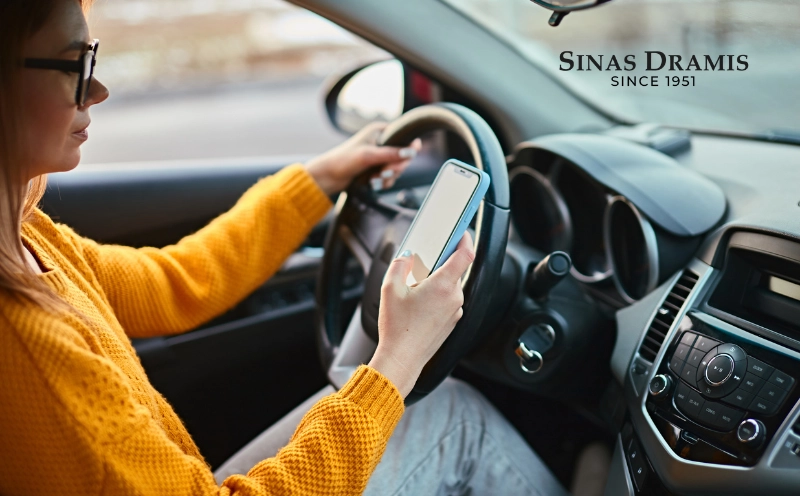
After a car accident in Michigan, injured drivers are often told the same thing: “Michigan is a no‑fault state, so you can’t sue the other driver.” This belief is especially common in distracted driving cases, where fault may seem obvious but the rules around compensation are widely misunderstood.
In reality, Michigan’s no‑fault system does not eliminate all lawsuits. While no‑fault insurance applies first and provides important benefits, Michigan law still allows injured victims to pursue additional compensation when a distracted driver causes serious injury.
Understanding when you can sue – and when you cannot – is critical to protecting your recovery after a distracted driving accident.
Short answer:
Yes. In Michigan, you may sue a distracted driver if their distraction caused the accident and you suffered a serious impairment of body function. No‑fault insurance applies first, but it does not prevent qualifying injury lawsuits for pain and suffering.
How Michigan’s No‑Fault Insurance System Works
Michigan is a no‑fault insurance state, meaning injured drivers typically turn to their own insurance policy first after a crash, regardless of who caused the accident. These no‑fault benefits are designed to provide quick access to care and support and may include:
- Medical expenses
- Wage loss benefits
- Replacement services (help with household tasks)
These benefits are available even when the other driver was clearly at fault, including in distracted driving cases.
However, no‑fault benefits have important limits.
What No‑Fault Insurance Does Not Cover
While no‑fault benefits cover medical expenses and certain economic losses, they do not compensate injured victims for pain and suffering or loss of enjoyment of life.
These non‑economic damages are often the most significant losses in serious injury cases. To recover them, Michigan law requires injured victims to meet a specific legal threshold.
When Can You Sue a Distracted Driver in Michigan?
Michigan law allows injured victims to bring a lawsuit against a distracted driver when two conditions are met:
The Two Legal Requirements
- The distracted driver caused the accident, and
- The injured person suffered a serious impairment of body function
If both are satisfied, the injured person may pursue a third‑party personal injury claim seeking compensation beyond no‑fault benefits.
For broader context about liability in these cases, see: Distracted Driving Accidents in Lansing: Who Is Liable Under Michigan Law?
What Is a “Serious Impairment of Body Function”?
This term is one of the most important – and most contested – concepts in Michigan auto accident law.
Michigan courts evaluate whether an injury qualifies as serious by considering whether:
- An important body function was affected
- The injury is supported by objective medical evidence
- The injury meaningfully impacts the person’s ability to live a normal life
All three factors are evaluated together, and the analysis is highly fact‑specific.
Why Distracted Driving Matters in These Claims
Distracted driving can be powerful evidence of negligence. When a driver is texting, using navigation apps, or otherwise distracted, it often explains why they failed to brake, yield, or maintain control of their vehicle.
Common forms of distraction that appear in lawsuits include:
- Texting or reading messages
- Using GPS or mobile apps
- Adjusting dashboard controls
- Looking away from traffic
- In‑vehicle distractions involving passengers
When distraction directly causes a crash, it strengthens a claim that the at‑fault driver breached their duty to drive safely.
How Distraction Is Proven
Insurance companies generally do not admit distraction voluntarily. Proving distraction often requires investigation and evidence, including:
- Cell phone records and timestamps
- Witness statements
- Police reports noting distracted behavior
- Dashcam or surveillance footage
- Accident reconstruction analysis
Digital evidence can be overwritten or lost quickly, making early preservation critical.
What If the Distracted Driver Has No Insurance?
In some cases, the distracted driver lacks insurance or carries only minimal coverage.
In these situations, injured victims may rely on their own insurance coverage, including uninsured or underinsured motorist benefits, depending on the policy.
Recorded Statements and Distracted Driving Claims
Insurance companies frequently request recorded statements shortly after an accident.
Statements taken early – before injuries are fully understood – may later be used to:
- Minimize injury severity
- Dispute causation
- Shift partial fault
Understanding when statements are required – and when they are not – is critical.
Common Reasons These Lawsuits Are Challenged
Even when distraction is evident, insurers frequently argue that:
- The distraction did not cause the crash
- The injuries are minor or temporary
- The injuries existed before the accident
- No‑fault benefits are sufficient
Successfully addressing these defenses often depends on medical documentation and consistency of treatment.
Why Timing Matters After a Distracted Driving Accident
Waiting too long to evaluate your legal options can result in:
- Lost evidence
- Missed witness accounts
- Weakened medical documentation
- Reduced claim value
Early evaluation does not commit an injured person to a lawsuit, but it preserves the ability to make informed decisions.
Frequently Asked Questions
Does Michigan no‑fault law prevent all lawsuits?
No. Michigan allows lawsuits when an injured person suffers a serious impairment of body function.
Do you need surgery to sue a distracted driver?
No. Courts focus on functional impact, not the type of treatment received.
What if I returned to work after the accident?
Returning to work does not automatically defeat a claim. Courts consider overall life impact.
How long do I have to sue a distracted driver?
Strict time limits apply, and early evaluation helps protect your rights.
Why Legal Review Is Especially Important in Distracted Driving Cases
Distracted driving claims often involve disputed facts, contested injury severity, and aggressive insurance defense strategies. Understanding how Michigan law applies – and how insurers evaluate claims – can significantly affect the outcome.
Speak With a Michigan Distracted Driving Accident Attorney
If you were injured by a distracted driver, understanding whether Michigan law allows you to sue can have a major impact on your recovery. Our free legal review can help determine whether compensation beyond no‑fault benefits may be available and what steps should be taken next.