
Facebook

Instagram

LinkedIn

YouTube

Michigan Motorcycle Safety: Where Riders Face the Greatest Risks and How to Stay Safe

Close-up of a motorcycle parked on a roadway in Michigan, representing motorcycle safety awareness and rider preparedness.

Motorcycles account for only about 3% of registered vehicles in Michigan, yet motorcyclists make up more than 10% to 15% of traffic fatalities statewide. The most common cause of motorcycle crashes is a driver turning left in front of an approaching rider after failing to see the motorcycle or misjudging its speed. Understanding common crash locations, recognizing high-risk road conditions, and practicing defensive riding can help reduce the risk of a serious motorcycle accident. Michigan’s Roads Present Unique Risks for Motorcyclists Michigan is home to more than 630,000 licensed motorcyclists and approximately 250,000 registered motorcycles. There is an important distinction between the two...

Continue reading


What Happens After a Michigan Car Accident Lawsuit Is Filed?

Judge's gavel and legal documents representing the Michigan car accident lawsuit process.

After a Michigan car accident lawsuit is filed, the case typically moves through several stages: filing and service, the defendant’s response, discovery, depositions, motions, settlement negotiations, mediation, and, if necessary, trial. Many cases still settle after a lawsuit is filed, but litigation helps develop the evidence needed to resolve disputed claims. Most Michigan car accident claims begin with insurance. Medical bills are submitted, records are gathered, fault is evaluated, and settlement discussions may begin. But not every case resolves through the insurance claim process alone. Sometimes, when the parties disagree about fault, injury severity, insurance coverage, or the value of the...

Continue reading

Can You Recover Compensation With a Pre-Existing Injury in Michigan?

Medical professional reviewing medical records with a patient during an injury consultation.

Yes, you may still recover compensation in Michigan if you had a pre-existing injury or condition before the accident. The key issue is whether the crash caused a new injury, aggravated the prior condition, accelerated symptoms, or made the condition worse. Insurance companies commonly dispute these claims, so medical documentation comparing your condition before and after the accident is critical. After a Michigan car accident, one of the most common concerns injured people have is whether an old injury, chronic condition, prior surgery, or degenerative diagnosis will hurt their claim. Insurance companies often focus heavily on prior medical history, especially when...

Continue reading

Lansing Car Accident Claims: What Evidence Helps Strengthen a Case

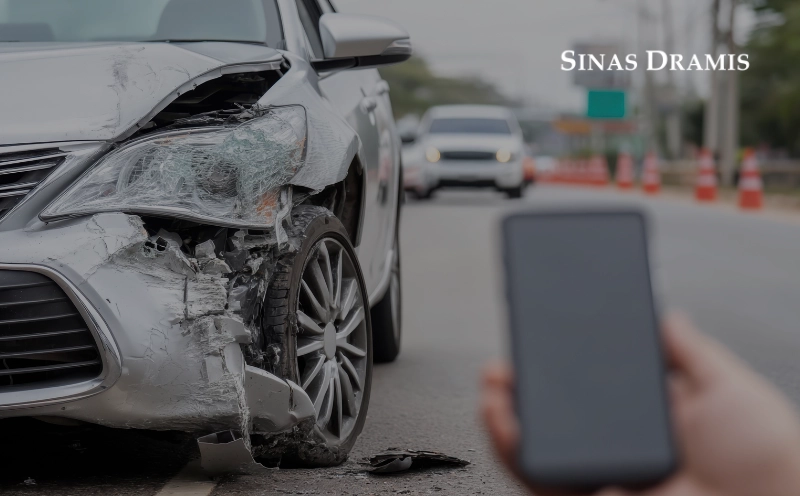
Damaged vehicle at a roadside scene with a phone used to photograph evidence after a car accident.

The evidence that most often strengthens a Lansing car accident claim includes medical records, scene photos, witness information, police reports, video footage, and proof of financial loss. The strongest claims use that evidence to clearly show who caused the crash, how the injuries were connected to the accident, and how the injury affected the person’s daily life. After a car accident in Lansing, people often know they should gather “evidence,” but they are not always sure what that actually means. Is a police report enough? Do photos matter if the damage seems minor? What if there were no witnesses? And how...

Continue reading

What Evidence Matters Most in a Michigan Car Accident Claim?

Stack of legal case files and a judge’s gavel representing evidence in a car accident claim.

The most important evidence in a Michigan car accident claim usually includes medical records, photographs and video, witness statements, police reports, proof of financial loss, and any documentation that connects the injury and its life impact back to the crash. The strongest claims are built on evidence that proves fault, causation, injury seriousness, and damages in a consistent way. After a Michigan car accident, most people understand that evidence matters - but many are not sure which evidence matters most or how different pieces of evidence affect different parts of a claim. Some evidence helps show who caused the crash. Other...

Continue reading

How Long a Michigan Car Accident Case Takes (and Why It Varies)

Judge’s gavel with two vehicles representing the process of a Michigan car accident claim.

A Michigan car accident case can take anywhere from a relatively short insurance claim process to a much longer lawsuit timeline, depending on injury severity, medical treatment, fault disputes, insurance issues, and whether the case resolves in negotiation, mediation, or trial. There is no one standard timeline because every case develops differently. After a Michigan car accident, many injured people want a clear answer to one practical question: How long is this going to take? That question makes sense. Medical treatment may already be underway, bills may be arriving, work may be disrupted, and the insurance company may be asking for statements or...

Continue reading

Grand Rapids Injury Claims: Why Delays in Medical Treatment Can Cause Problems

Medical professional reviewing a tablet with a patient during an injury consultation.

Yes, delays in medical treatment can cause problems for a Grand Rapids injury claim because insurance companies often use gaps in care to argue that the injury was minor, unrelated to the accident, or not serious enough to support additional compensation. A treatment gap does not automatically destroy a claim, but it can make causation and serious‑injury issues harder to prove under Michigan law. After a car accident in Grand Rapids, many injured people do what seems reasonable at the time: they get checked out, try to rest, and hope things improve. Others begin treatment right away but do not continue...

Continue reading

Can Gaps in Medical Treatment Hurt Your Michigan Injury Claim?

Medical professional reviewing treatment notes with a patient in a clinical setting.

Yes, gaps in medical treatment can hurt a Michigan injury claim because insurance companies often use them to argue that the injury was not serious, was not caused by the accident, or did not meaningfully affect the injured person’s normal life. Treatment gaps do not automatically destroy a claim, but they often make serious injury and causation issues harder to prove. After a Michigan car accident, many injured people do what seems reasonable: they get checked out, try to rest, and hope things improve. Some begin treatment right away but stop after a few visits because work gets busy, appointments are...

Continue reading

Lansing Car Accidents: What Happens If You’re Partially At Fault?

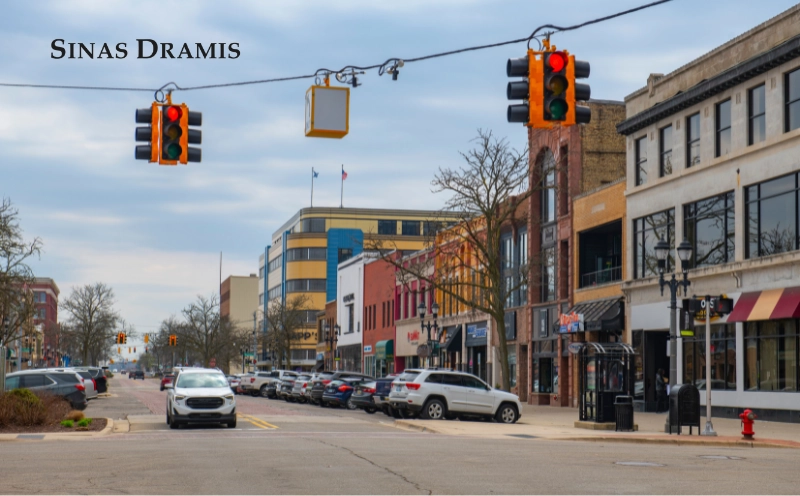
Traffic at a Lansing intersection representing shared fault in a car accident.

If you are partly at fault in a Lansing car accident, you may still be able to recover compensation under Michigan law. However, your recovery can be reduced by your percentage of fault, and if you are found to be more than 50% at fault, certain damages - including pain and suffering in many cases - may no longer be available. After a car accident in Lansing, one of the first things many injured drivers worry about is whether something they did - even something small - could hurt their case. Maybe they were driving a little too fast. Maybe they...

Continue reading

What Happens If You’re Partly At Fault in a Michigan Car Accident?

Two vehicles close together on a roadway representing shared fault in a Michigan car accident.

In Michigan, you can still recover compensation after a car accident if you were partly at fault - but your recovery may be reduced by your percentage of fault. If you are more than 50% at fault, you may be barred from recovering certain damages, including pain and suffering in many cases. After a car accident, one of the first questions many injured people ask is: What happens if the insurance company says I was partly at fault? In Michigan, this is a critical issue because partial fault can directly affect both whether you can recover compensation and how much compensation...

Continue reading